Public Policy Simulations
Game-based learning experiences, like Forio's public policy simulations, develop the policy leadership skills that can't be taught in a classroom alone.
Game-based learning experiences, like Forio's public policy simulations, develop the policy leadership skills that can't be taught in a classroom alone.
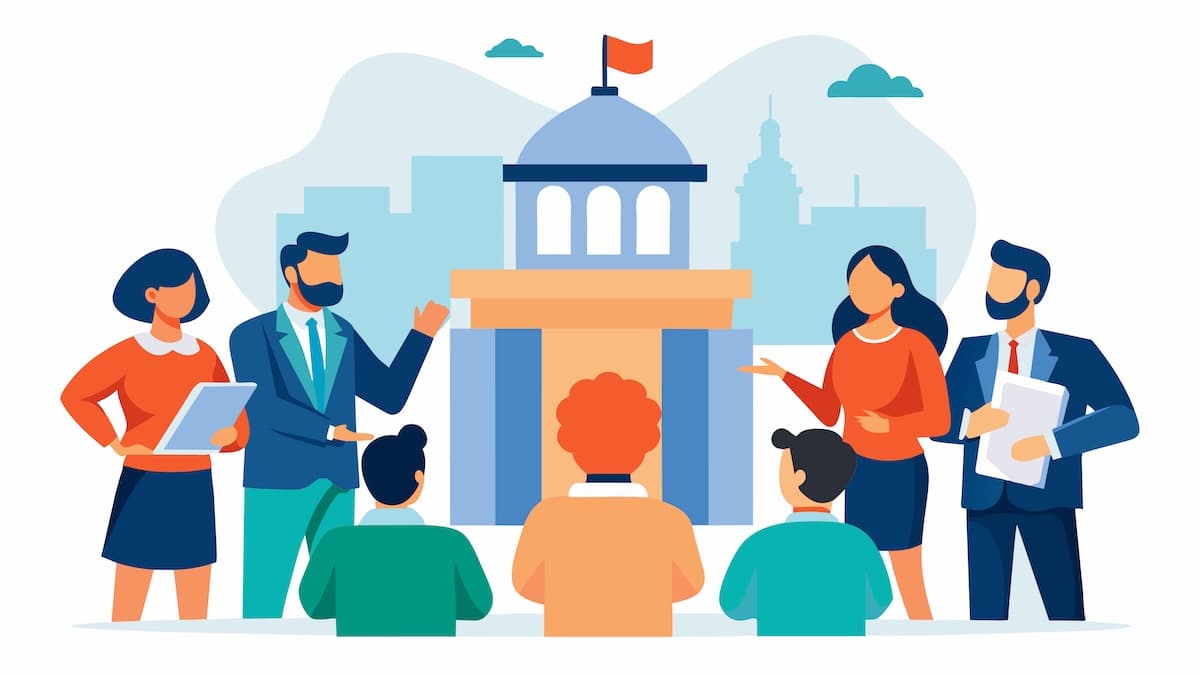
About Public Policy Simulations
Public policy is a particularly challenging subject to teach, or at least to teach well. Not because the material is inaccessible or academically difficult, but because the skills it demands can't be developed by merely reading about them. You can lecture on stakeholder negotiation, assign case studies on community decision making, and lead seminars on civic communication. None of it replicates the actual experience of being in the room where competing interests collide, where consensus is achieved under pressure, and where the consequences of a wrong decision ripple beyond the room affecting entire communities.
That's the gap public policy simulations, and the broader field of experiential learning, are designed to close.
By placing participants in realistic, scenario-driven environments — a wildfire mitigation task force, a healthcare policy negotiation, a national economic crisis — simulations create the conditions for hands-on practice. Without the luxury of an answer in a textbook, learners take on distinct roles with real stakes, represent interests that conflict with others at the table, and have to find workable solutions that balance competing needs.
The result is an experiential learning environment that reflects what public policy work actually looks like: messy, multi-stakeholder, high-consequence, and deeply human.
Forio's public policy simulation catalog spans:
- Civic decision making and community planning
- Environmental policy and sustainability
- Healthcare management and policy
- Economic policy and fiscal decision making
- Group communication and stakeholder negotiation
Built in partnership with institutions including the University of Colorado, Sim Institute, and MIT, these simulations have been deployed across university programs, government training initiatives, and professional development curricula worldwide.
Featured Public Policy Simulation
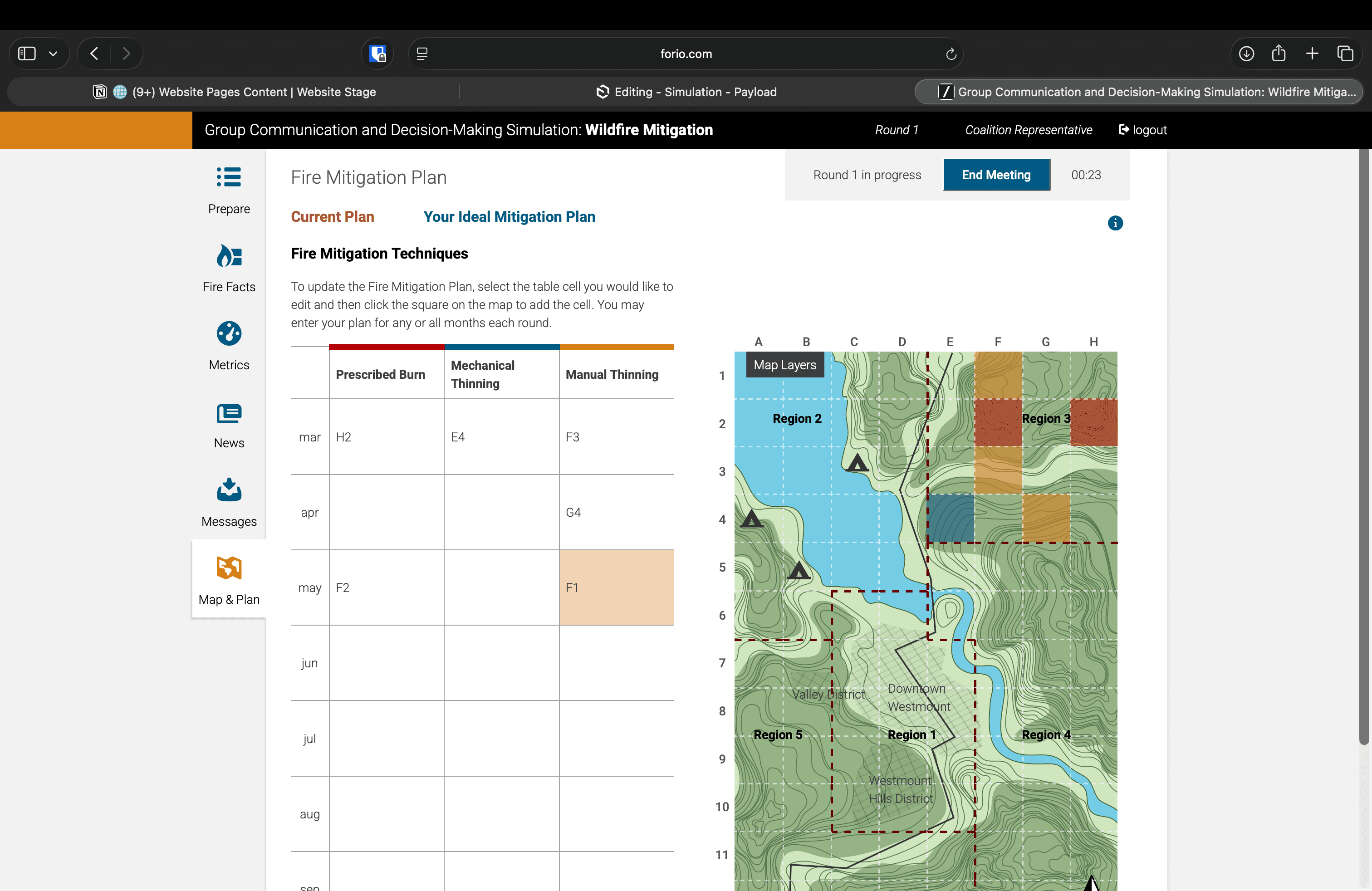
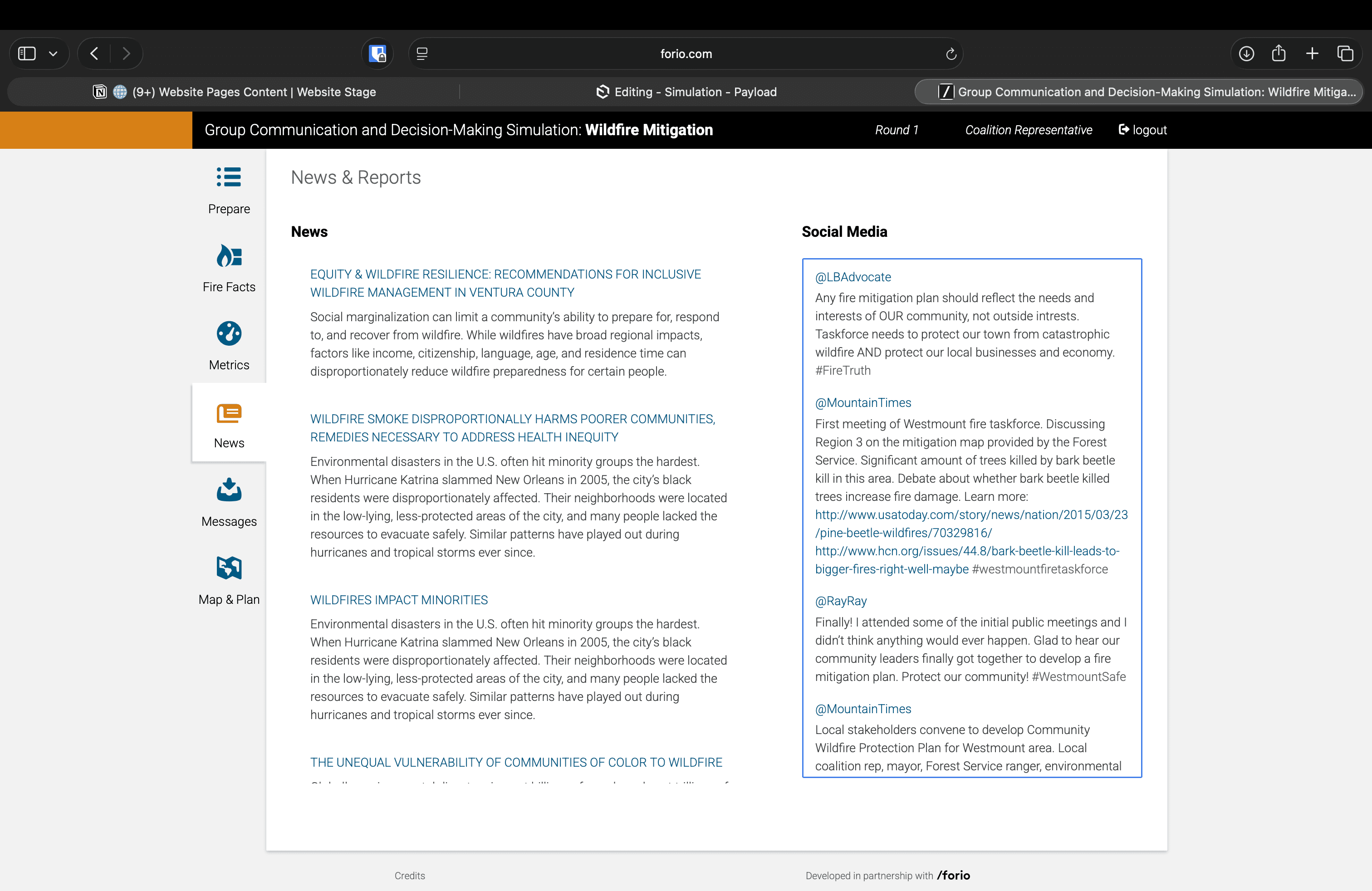
Developed at the University of Colorado Boulder in partnership with Forio, the Wildfire Mitigation simulation places participants inside a citizens' task force charged with developing a community wildfire mitigation plan. The scenario has no clean resolution; it's just competing interests, limited resources, and stakeholders who need to reach consensus, regardless and urgently.
Learners step into one of five roles representing the real interests that shape community policy decisions, including a forest service ranger, a town mayor, and a municipal water director. During five simulated meetings, the participants negotiate, advocate, compromise, and communicate across perspectives that don't naturally or always align.
The simulation was built to solve a problem that public policy educators understand well: the theory of group decision making can be taught, but the experience of it can't be replicated in a lecture hall.
Related Public Policy Simulations
Forio's public policy simulations are developed with the same rigor that defines the broader catalog. Unlike general policy games, these simulations are purpose-built around a specific, real-world policy challenge and put learners right in the hot seat. Grounded in credible research, real stakeholder dynamics, and the kind of complexity policy leaders work through every single day, these simulations deliver an experience that's difficult to replicate any other way.
Leadership and Teamwork
Wildfire Mitigation: Group Communication and Decision Making

The Wildfire Mitigation: Group Communication and Decision-Making simulation requires players to balance their interests, the interests of their constituents, and their team members to create a wildfire mitigation plan
Check It Out
Finance and Accounting
Econland
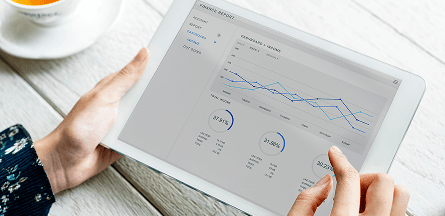
Lead a virtual economy as head of state—make fiscal and monetary policy decisions, balance competing goals, and navigate global uncertainty to drive long-term economic growth and stability.
Check It Out
Sustainability
Fishbanks

Sustainable resource management is an essential skill for businesses and policy makers. The Fishbanks simulation provides participants with the opportunity to understand the dynamics of common pools of renewable resources and experiment with their sustainable governance.
Check It Out
Forio's technology is critical in delivering our models to users all over the world. They know how to create rich environments for serious game-based learning.
Centers for Disease Control and Prevention
Benefits of Public Policy Simulations
Public policy simulations earn their place in serious academic and professional training programs because it’s a challenge for learners to effectively develop these skills any other way.
Policy thinking develops through practice, not didactic instruction. Participants the same scenarios and conditions that define public policy work in practice. The feedback is immediate and tied directly to the choices each participant makes.
Simulations develop the communication skills that policy work demands. Stakeholder negotiation and cross-functional communication are better learned by doing than by reading alone. Simulations create the conditions for that practice in a structured, low-stakes / high-value environment.
Groups surface dysfunction without consequences. The interpersonal and interdepartmental friction that naturally occurs in policy work shows up in the simulation too: unchecked assumptions, competing priorities, and communication that breaks down under pressure. When those dynamics become visible during the sim, everyone can learn from them and take action.
Retention increases with participation, not observation. The decisions made, the missteps taken, and the outcomes reached make a lasting impact on participants in ways that passive instruction does not.
How to Effectively Implement Public Policy Simulations
Public policy simulations deliver the most value when the learning objective is defined before the simulation is selected. A simulation that develops skills for wildfire mitigation and those for healthcare policy are not interchangeable, even if their underlying ideas overlap. The scenario matters because it's what keeps participants invested. In any simulation, that investment drives the learning.
The most common implementation mistake is treating the simulation as the program itself. The simulation works best as the centerpiece of a broader learning experience, where context is established first; the simulation is where participants step out of the material and into the scenario. Preparation, facilitation, and structured debriefing convert that experience into insight that transfers back to practice in the classroom, the agency, or the field.
Public policy simulations are used across a range of programs and organizational contexts, including:
- University communication, public administration, and policy courses
- Government agency workforce development and leadership training
- Healthcare organization policy and regulatory training
- Nonprofit and advocacy program development
- Professional development curricula for emerging policy leaders
Forio offers both Ready-Made public policy simulations and custom builds designed around a specific policy challenge, community context, or organizational need. With either option, the variables that determine whether a simulation lands are the same: a clear objective, a facilitator who knows the material, and a debrief with enough structure to connect what happened in the simulation to what happens in the real world.
Learn from the same simulations developed and used by these leading institutions.